Whether you run a professional services firm, a nationwide trade business, or an established eCommerce store, one of your biggest challenges is turning website visitors into paying customers. This is where conversion rate optimisation (CRO) comes in. CRO is the process of improving how effectively your website or digital platforms convert traffic into leads, enquiries, and sales. Done well, it doesn’t just boost your bottom line; it reduces wasted ad spend, empowers your marketing team with data-driven insights, and lifts the performance of every digital channel you invest in.
What is Conversion Rate Optimisation?
To understand conversion rate optimisation, you first need to understand what a conversion is. A conversion is a general term to describe when a website visitor completes a site goal. The most common example of this would be when someone completes a purchase via your online store. However, conversions do not only relate to purchases. They come in all shapes and sizes, for example, signing up for your newsletter.
Conversion rate optimisation, therefore, is the systematic procedure of increasing the percentage of your site visitors who take a desired action, whether this means becoming a customer, filling out a form, or something else. CRO involves understanding your users and how they use your site, the actions they take, and what is currently preventing them from completing your goals.
Today, a “conversion” can mean much more than a completed online purchase. For an eCommerce brand, it could be adding a product to the cart or completing a subscription checkout. For a professional services firm, it may be booking a consultation, requesting a quote, or signing up for a free trial. In B2B sectors, conversions often include demo requests, whitepaper downloads, or webinar registrations. Effective conversion rate optimisation looks at every one of these touchpoints and asks: what’s helping people take action, and what’s holding them back?
Data is the Foundation of Conversion Rate Optimisation
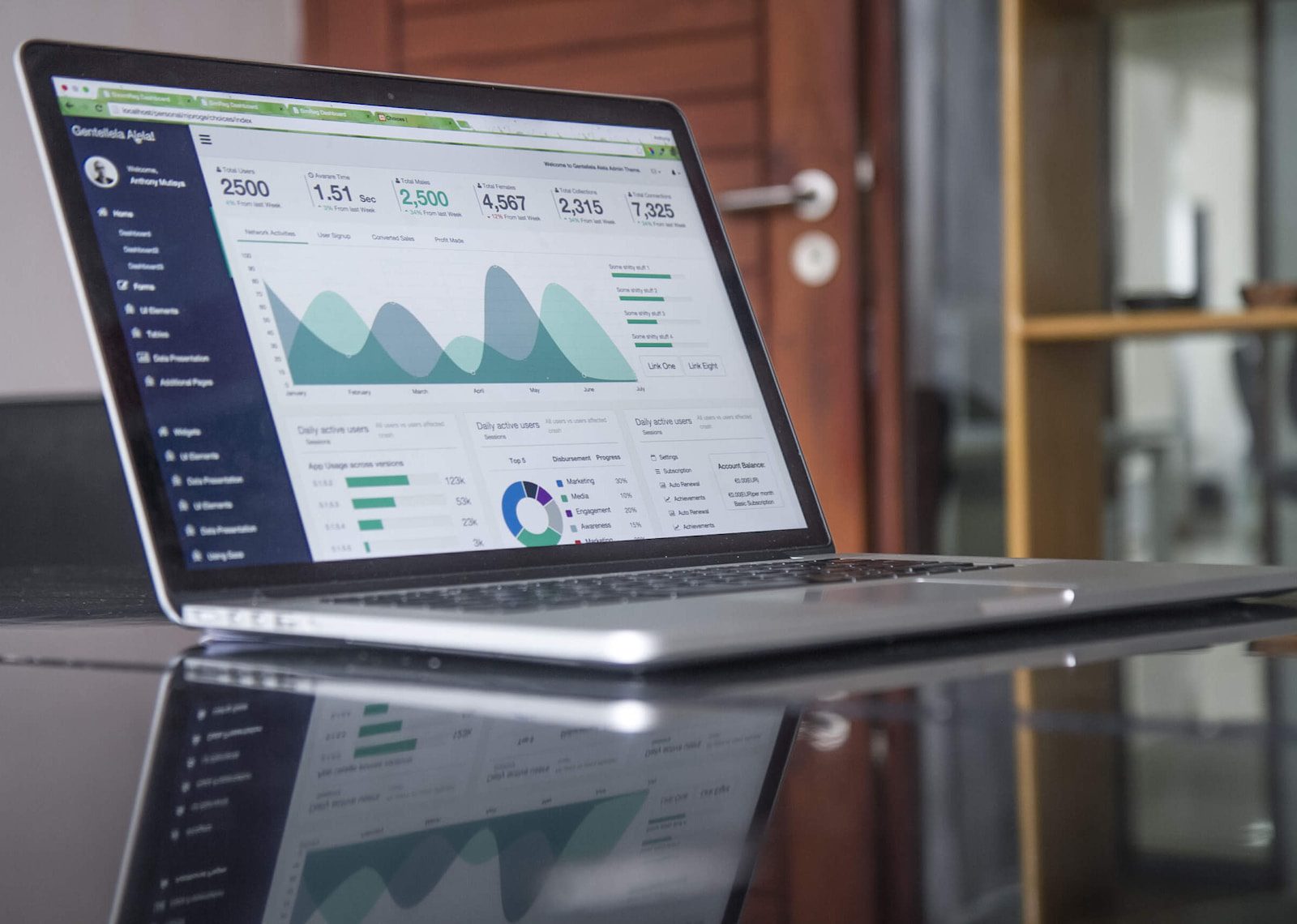
Every successful conversion rate optimisation strategy starts with data. Without clear insights into how users behave on your website or app, any changes you make are just guesswork. Data reveals where visitors drop off, which pages drive engagement, and what friction points stop them from converting.
Modern CRO goes far beyond basic analytics. Tools like Google Analytics 4, Hotjar, Microsoft Clarity, or Mixpanel allow you to see heatmaps, session recordings, and detailed user journeys. When combined with A/B testing platforms such as VWO or AB Tasty, this data provides the evidence needed to test changes with confidence.
By grounding every step of your conversion rate optimisation process in real data, you ensure that improvements aren’t just cosmetic; they directly increase leads, sales, and revenue.
The Top of the Funnel Comes First
Before you can optimise conversions, you need to ensure there’s enough traffic flowing into your website in the first place. Without visitors, there’s nothing to optimise. But it’s not just about volume, the quality and intent of that traffic matter just as much.
Your top-of-funnel strategy should focus on attracting the right audience through channels like search engine optimisation (SEO), paid advertising, and social media. Visitors then need to reach the key areas of your site; such as product pages, service pages, or lead capture forms; for CRO to have an impact.
Think of conversion rate optimisation as a multiplier: the more qualified traffic you generate at the top of the funnel, the more valuable your CRO efforts become further down the customer journey.
How to Set Up an Effective CRO Campaign
If your website is getting a steady flow of traffic but conversions remain low, it’s a clear sign that you’re ready to invest in conversion rate optimisation. An effective CRO campaign follows a structured process built on research, testing, and iteration.
1. Identify Opportunities
Start by reviewing your analytics and user behaviour data to pinpoint areas of friction. Are people abandoning the checkout page? Failing to complete enquiry forms? Skimming your homepage without taking action? Heatmaps, funnel reports, and session recordings can reveal where improvements are most needed.
2. Form a Hypothesis
Once you’ve identified a problem area, create a hypothesis about what might improve performance. For example: “Reducing the number of fields on our contact form will increase completed submissions.” Each test should be focused and measurable.
3. Test with Experiments
Run controlled experiments such as A/B tests or multivariate tests using platforms like VWO, Convert, or AB Tasty. These tools let you compare variations of a page to see which drives higher conversion rates. Ensure your test runs long enough to gather statistically significant results, which will depend on your site traffic.
4. Analyse and Apply Results
When the test concludes, review the results and decide whether to roll out the winning variation. Even if a test “fails,” it still provides valuable insight into what doesn’t work, which is just as important as what does.
5. Keep Iterating
CRO is not a one-off project but a continuous cycle. Each test builds on the last, helping you refine the customer journey step by step. Over time, this consistent improvement compounds into significant gains in leads, sales, and revenue.
Example Conversion Funnel

Here’s what a typical eCommerce conversion funnel looks like. Each step is an opportunity for optimisation:
-
Homepage / Landing Page → Does it clearly communicate value and encourage visitors to explore?
-
Product or Service Page → Are benefits clear, trust signals visible, and CTAs compelling?
-
Cart / Enquiry Form → Is the process simple, mobile-friendly, and distraction-free?
-
Checkout / Submission → Are there unnecessary steps, confusing fields, or slow load times?
-
Purchase / Lead Captured → Is there a thank-you page, upsell, or follow-up email sequence?
By optimising each stage of this funnel, businesses can significantly increase overall conversion rates.
Next Steps
So there you have it: an insight into conversion rate optimisation. We hope that the information that has been provided above has helped you to get a better understanding of conversion rate optimisation (CRO) and how it applies to your business. If you would like to make sure that your conversion rates are high, please do not hesitate to get in touch with us today for more information. We can devise a strategy that helps your business reach new heights.
Originally posted Oct 26, 2020 and updated Aug 22, 2025